The game
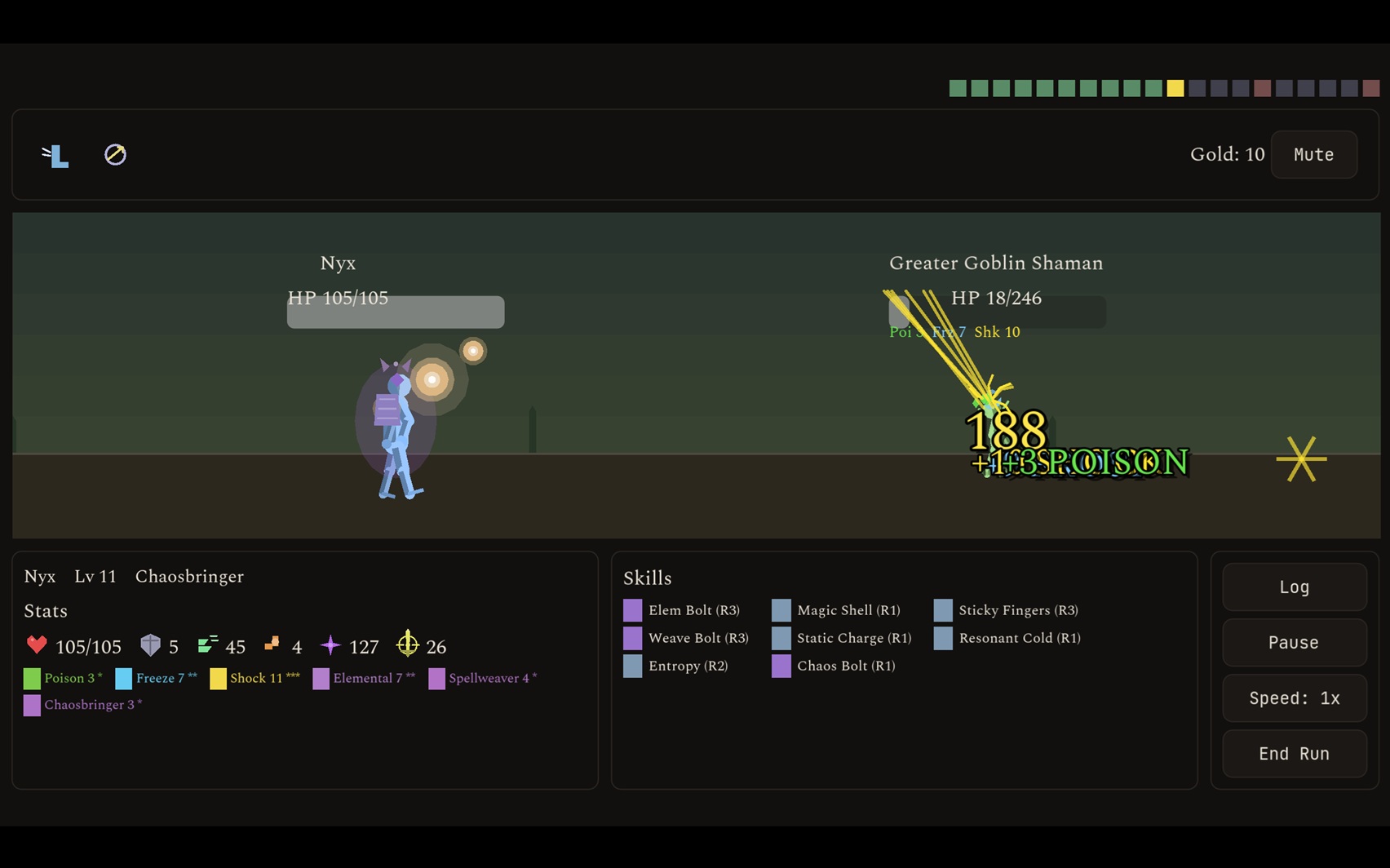
Ashen Crown is a single-player roguelite autobattler. You pick a fighter and climb a run of twenty battles toward a final boss. The fights resolve themselves; the whole game is in the build you assemble before each one.
Making my own game has been an interest of mine for a long time, and when I finally sat down to it, I wanted one that could go both deep and wide, where every choice opened more choices.
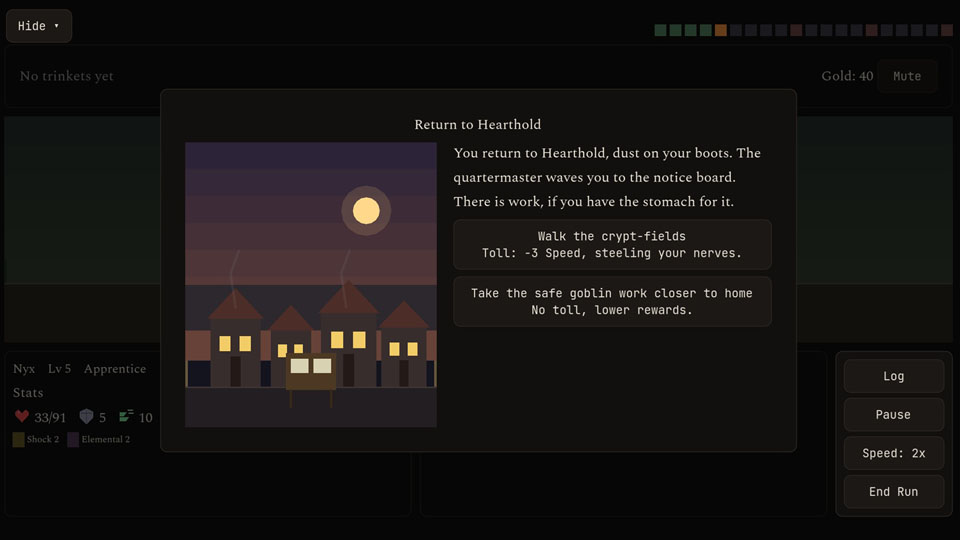
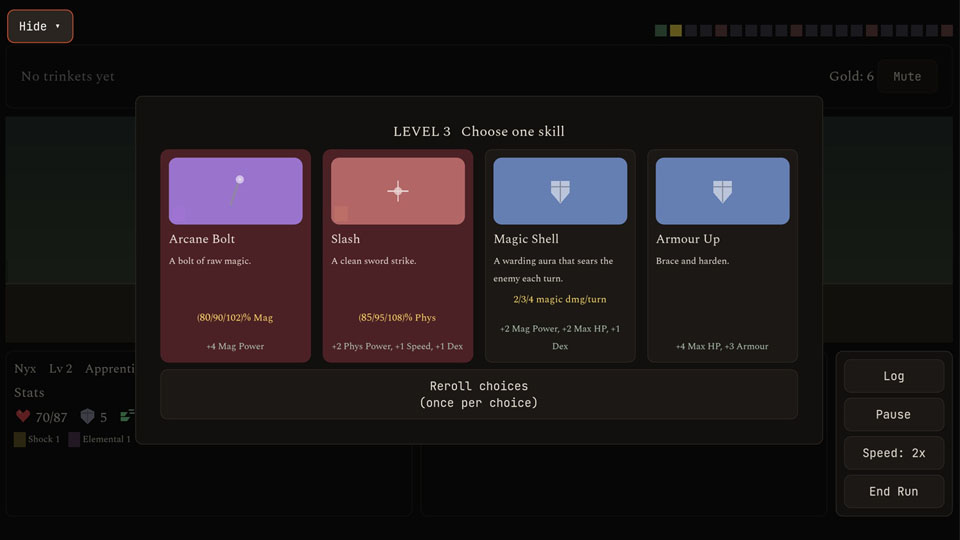
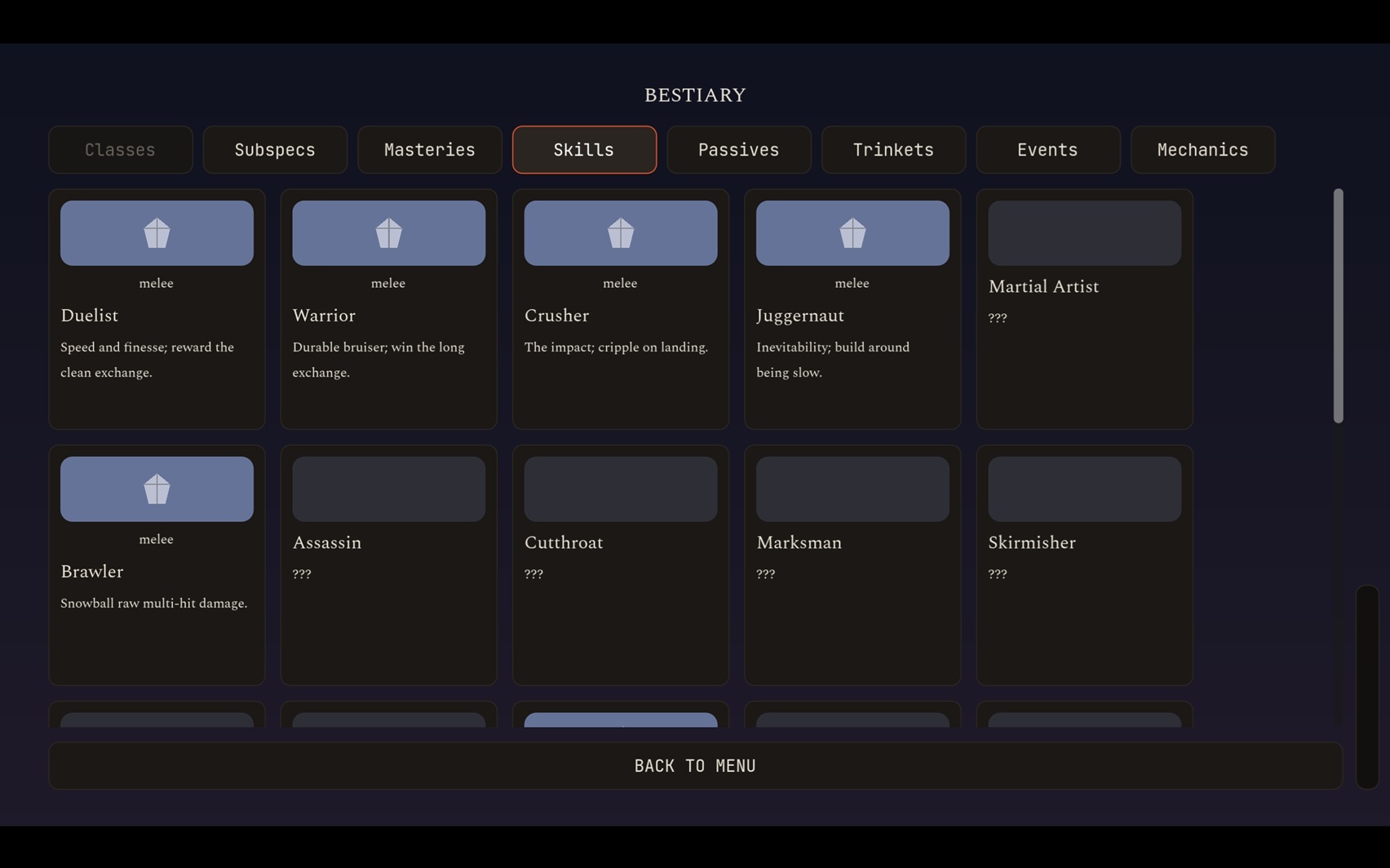
So there are 12 weapons, and each one wants to be played a certain way. On top of that sit 24 classes and 53 subspecs that twist a weapon's playstyle down its own route, plus 247 skills, 94 masteries, and a stack of trinkets. You can pour everything into one weapon and go as deep as it goes, or sprawl across several and mix and match into something strange. Go nuts, break the game. That is the point.
Building it with AI
This is the part I actually want to be honest about, because most of what gets said about making things with AI is either a sales pitch or a funeral. The truth is in between, and more interesting than both.
The entire game is a single GDScript file, more than eighteen thousand lines, written almost entirely through conversation with Claude. I described what I wanted, pushed back when it was wrong, playtested, and fed the results back in. I drove. The AI built. What would have taken me months of slow, error-prone work came together in days.
What it was genuinely good at
- Volume and variations, fast. Generating many versions of an asset, then a whole set of them, quickly and efficiently, especially once an initial identity was set. Our back-and-forth on the cosmetics is the clearest example: once the look was pinned down, the rest came easily.
- Systems and structure: combat math, status effects, the mastery and class trees, all the interlocking rules stayed coherent across thousands of lines.
- Tedious breadth: 24 classes, 53 subspecs, hundreds of skills and their tooltips, all wired and cross-checked without me tracking each by hand.
- Iterating on tone, and narrative continuity. Rewriting flavour text to fit the theme again and again until it landed, and keeping the through-line consistent and checked as it grew.
Where it struggled, and I had to drive
- Anything visual. Every sprite, icon, and scene is hand-placed coordinate math drawn blind, then judged by me on screen and corrected. It cannot see what it draws.
- Holding the bigger picture. After a conversation has been compacted a few hundred times, context starts going out the window, and the AI loses why a thing was built the way it was. I became the memory.
- Quietly missing things or cutting corners. A fair amount of my time went to checking and auditing, because something I had asked for would turn out later to have been skipped, done with a shortcut, or no longer working at all because a separate change had overwritten part of it.
- Taste and intent. The idea, the theme, whether a thing was fun: that was always my call, never its.
If there is one takeaway: AI did not replace the work of making a game. It changed which work was mine. I spent almost none of my time fighting syntax, and almost all of it deciding what should exist and whether it was any good. That trade is the whole story.
The graphics, the sound, and a bigger thought
Here is the part I assumed would be the hardest. Every action and animation needs its own asset, and a kit this wide needs hundreds of them. With my non-creative background, I could not draw that myself, and hiring it out would be a major cost, more so when things change, which in my case they did, from adding new pieces to reworking old ones. Building with AI made that breadth cheap, so the wall I expected never went up. What is left is balance, and I am not claiming it is balanced yet. But the bones are all on the table.
The drawing is where that pain is loudest. Every visual in the game was generated in code, with no imported images at all: three character classes and their builds, four monster families with four variants each plus a miniboss and a final boss, all with their own body rigs, twelve weapon types, roughly fifty icons between skills, stats and trinkets, the splash art, the menu and story scenes, and dozens of combat effects, all hand placed and rigged through hundreds of coordinate calls. It is also why the whole thing we authored, logic and sound together, is only about 5 MB. A game with no art files is a very small game.
So here is the honest version of why it looks the way it does. We started out wanting to make something that looks like Fire Emblem. But along the way I got curious about a different question: what could I actually do without relying on an artist? This is as far as I got. I do not think it looks great. I also do not think it is unplayable. It is the answer to the question I was really asking.
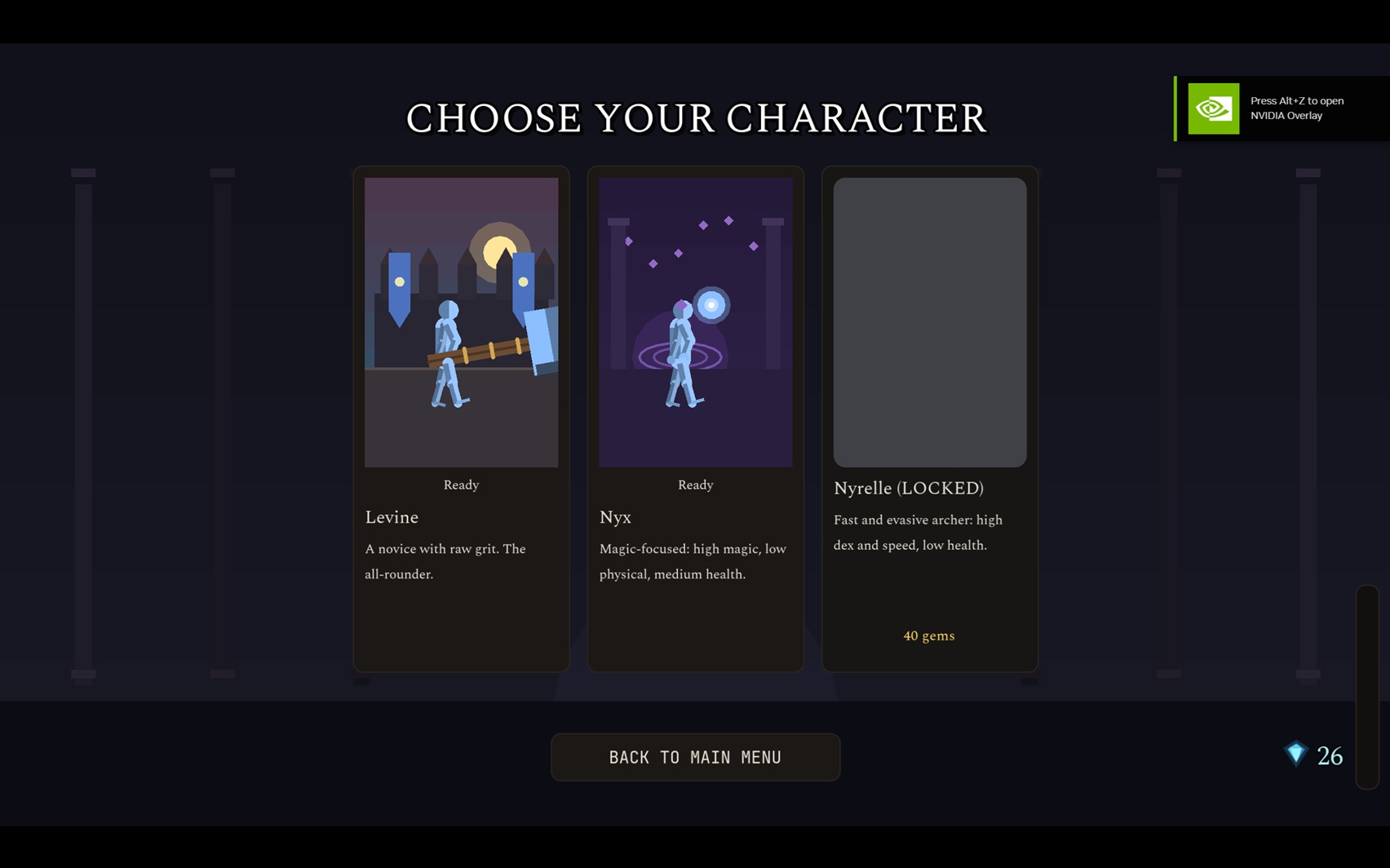
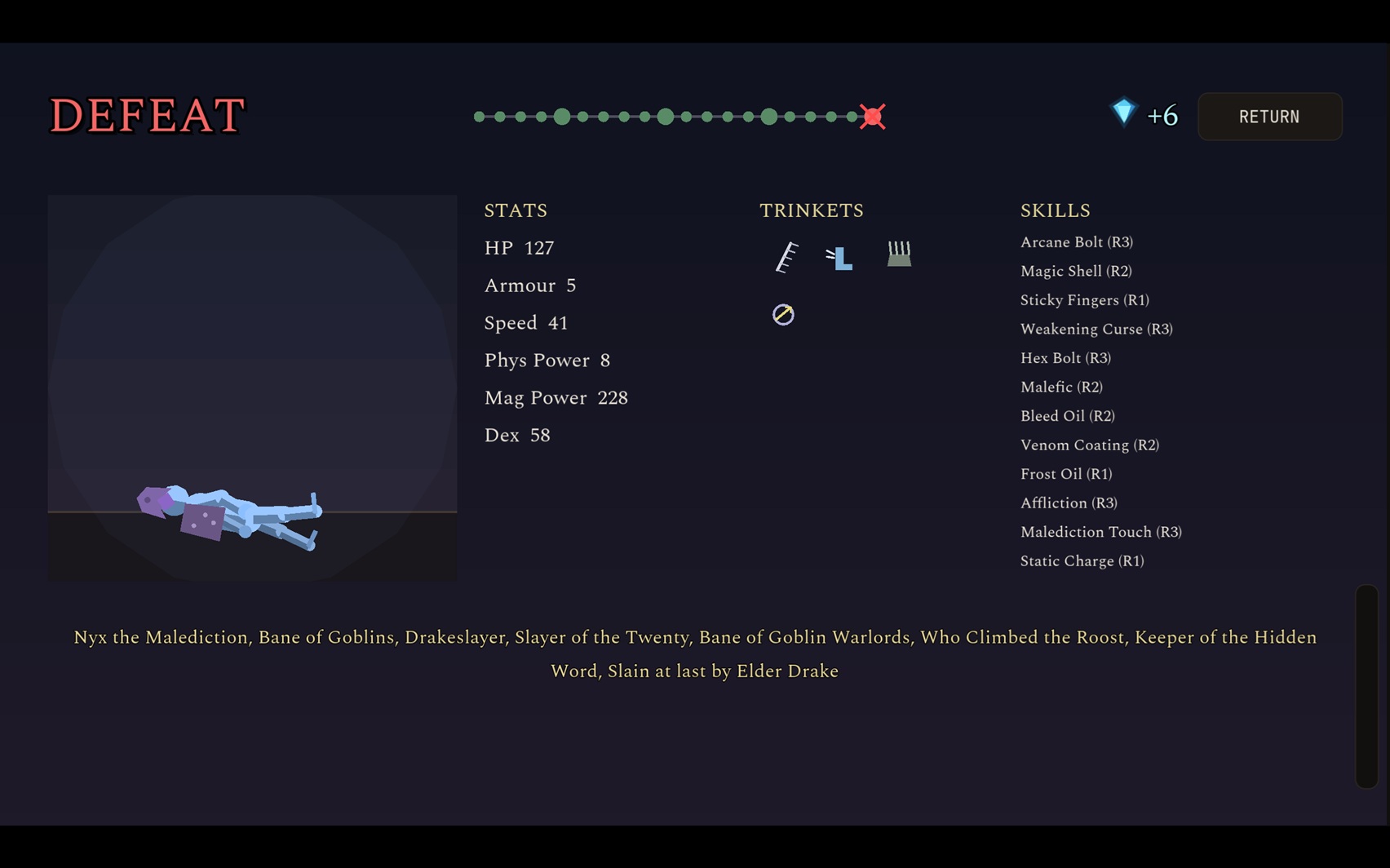
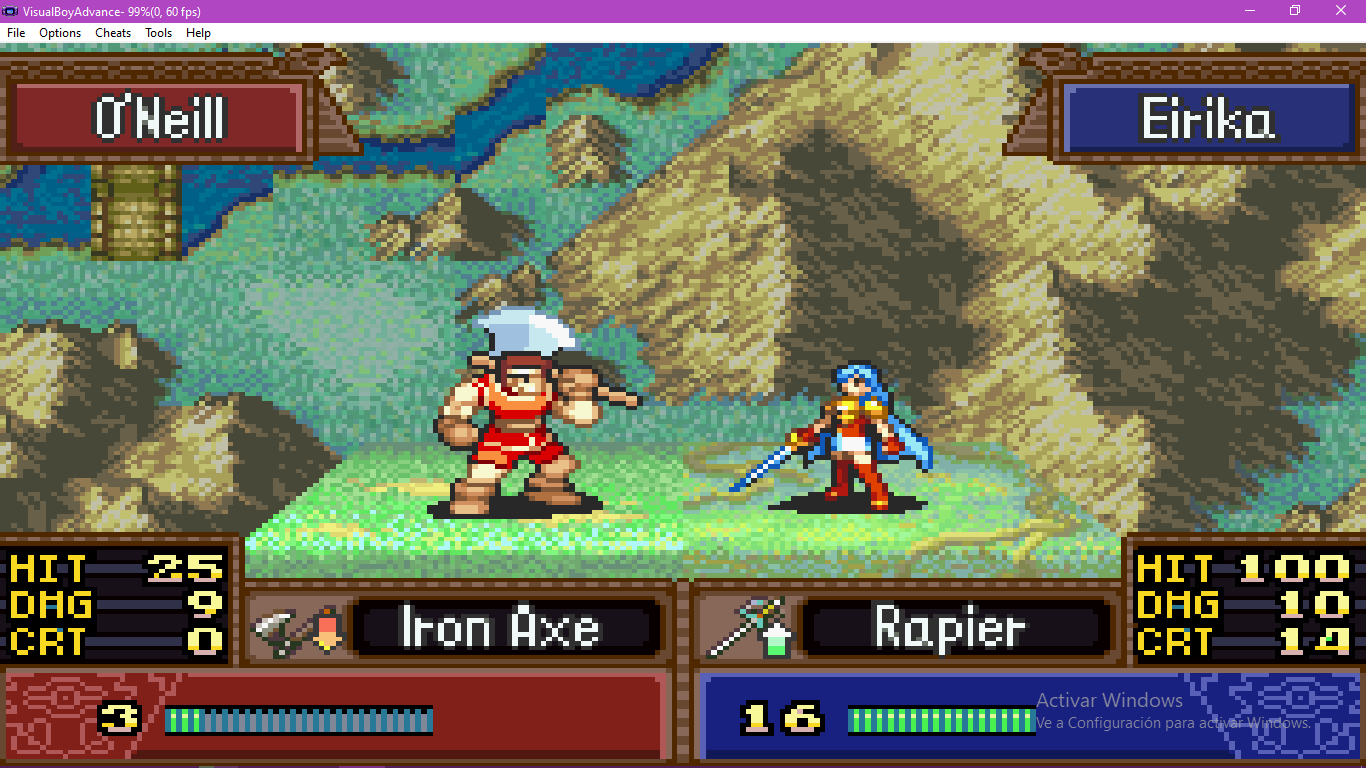
The style I have in mind. Mine does not look like this yet. That is the point.
The sound went the same way. We wanted to reach out and work with someone on it. But again, we also wanted to see what AI could do alone. So it is admittedly meh, all bleeps and retro hits that will remind you of old consoles, and it is entirely AI, music and effects both, engineered and timed in essentially a single pass. No samples, no library. Once you know that, the meh gets a little fascinating.
The thing I keep thinking about is not that a model can do this when it cannot even see what it draws. It is what it managed alone, with me having no real skills to lean on. I am not the right person to draw, rig, or score a game. Someone who is, paired with the better tools, could probably make something far past this for a fraction of the time and cost. That is the part I find interesting.
And to honor that, here is my pledge. I have always been inspired by Fire Emblem and its art. So if Ashen Crown reaches 1,000 sales, I will make that Fire Emblem vision real: a free art update, pushed to everyone who bought it on Steam, since that is where the update lives. The next section is the honest math behind that number.
Why 1,000
I want to be straight about where that number comes from, because a pledge with no math behind it is just a nice sentence. So here is the publishing reality of a tiny game like this one.
The game sells for RM15. Steam takes its standard 30%. So a thousand copies looks like this on paper:
That RM10,500 is not what lands in my account. There is the one-time Steam Direct fee of about USD 100 to put the game up at all, US withholding tax on the royalties, and my own income tax on what is left. Realistically the take-home is meaningfully lower than the headline. I would rather show you that than pretend the clean number is the real one.
So why 1,000, and not 500 or 5,000? Honestly, no number here is ever going to be perfectly fair to an artist. The amount of work we listed earlier, the characters, the monsters, the icons, the effects, all of it redrawn properly, is worth far more than this in a vacuum. If the game somehow made ten million, then ten thousand for that much art would be a steal. But 1,000 sales is the point where the gross is around RM10,500, and that is enough to actually start: enough to commission a local artist for a real pass at the look, and enough to be a fair beginning rather than an insult. It is not the ceiling of what the work deserves. It is the floor at which the work becomes possible.
How it works
For the curious
The whole game lives in one file. That is not best practice and I am not pretending it is. It is how the experiment grew, and it makes the source unusually easy to read top to bottom. The full source will be open and free to download when the game launches, so if you want to see how an AI-assisted roguelite is actually held together, you will be able to dig right in.
battle.gd · ~18,500 lines
# combat, classes, events, art, audio, UI
# open source, free to study
# available on launch day:
ashencrown_source.zip
Available to download here the day the game launches.